Choose language


NEW HEADS FOR GROOVING AND 45-DEGREE JOINTS
New GO Cleaner+ liquid - TEST ITS EFFECTIVENESS !!!
THE HARDENED DISC IS THE HEART OF EVERY SAW
WE CARE ABOUT THE SAFETY OF CUSTOMERS AND EMPLOYEES
SHARPENING WITHOUT COMPROMISE
Archive news
Cutters with HSS knives for finger joints
2013-01-18Finger jointing is a method of combining wooden elements using wedge joints, commonly applied in the manufacture of first fix joinery, in construction, furniture and many other industries which use wood or its derivative materials. The new cutters with soldered HSS knives from GLOBUS are used to produce these joints.
The finger jointing technique allows for the use of raw materials of a much lower quality, as well as a significant optimisation with the use of higher quality wood. Given the high cost of the raw material and its availability, finger joining techniques offer sawn timber processors the opportunity to increase the efficiency of their work.
We can assume that two profiles are used when making finger joints:
- the so-called 'zigzag' joint – the joint teeth cover the entire width of the element – connection of elements with a 'zigzag' joint is used most often by manufacturers of joinery (windows, doors), but also by manufacturers of glued laminated elements for use in the construction industry;
- the so-called 'line' joint – the joint teeth are hidden beneath the cut – in this case, the connection allows a product with a significantly higher utility value to be obtained, which is why this technique for the connection of materials is used in the manufacture of chipboard.
- Cutters for multi-wedge 'line' joints - splicing - joint profile 1
- Cutters for multi-wedge 'line' joints - splicing - joint profile 2
- Cutters for multi-wedge 'zigzag' joints - splicing - joint profile 3
- Cutters for multi-wedge 'line' joints - widening - joint profile 1
Most often the splicing or widening of wood with shorter or longer elements is used to:
- obtain longer elements, using shorter boards or strips of lower quality raw material;
- obtain a product with a higher quality and strength having removed knots and defects;
- manage waste.
Production of furniture panels using finger joints is economical (the product is cheaper than that made using solid timber), and the plywood is very durable.
Technology for the connection of short length elements using finger jointing is also appreciated by manufacturers of garden structures, roof trusses and even wooden houses.
New CNC PREMIUM router bits
2012-11-14CNC PREMIUM is a new generation of router bits specially designed for vertical milling machines with top-mounted spindles or CNC centers, thanks to the bit body profile applied.
Key features of our new series of CNC PREMIUM bits:
- Fully professional sintered carbide: a special grade of sintered carbide with a high surface smoothness ensures an extended tip life, and thus less frequent tool sharpening cycles. This represents a considerable benefit, especially when processing chipboards and other wood-derived materials.
- New tooth space geometry (open profiles): the open profiles of the bit allow the use of more accurate working parameters without impacting the high quality of the machined surface. Improved chip removal with the utilization of a larger tooth space allows higher feed speeds to be applied.
View the product and check tool parameters
Profile router bits DIA for nesting
2012-10-03Profile router bits DIA for nesting make use of the latest design, in which the helix of PCD knives is arranged into 3 spirals forming three full diamond blades. The design, number and arrangement of the PCD knives ensures continuous contact between the blade and the material, which translates into the acquisition of high-quality processing and provides very good removal of dust, important when working with high speed and rapid rate of feed. The bodies of profile router bits DIA for nesting are made of a special high-strength steel or a heavy sintered high density metal, a so-called HDM (a non-vibrating material, resistant to high temperatures).
The bits are also characterised by the small diameter of the working part and shank. The two-part design of the bit body, with this small diameter of working part and shank, provides a higher durability and longer tool life when machining, and at the same time enables the maintenance of a high quality in the edge of the materials being worked, for example laminated chipboard and melamine board, MDF and other wood-based materials.
Nesting is a processing technology, also known as Nested Based Manufacturing (NBM), the overall objective of which is to create profiles and holes for hinges on a single machining run in a CNC machining centre, with, of course, the optimal cutting of the material being used. The advantages of nesting include the exact cutting of the rectangular elements and profiles created, as well as lower production costs owing to the small amount of human labour in the process and the complexity of the processing (cutting of panels and drilling and milling for hinges on a single machining run).
Go to the product subpage
New series of planer knives
2012-09-17The range of GLOBUS planer knives has been extended with two new series:
- HSS STANDARD, used primarily for hardwood and made with HSS material of a hardness of 60-63 HRC – accuracy class 2
- BI-HSS, with a high-quality HSS SW18 insert (18% tungsten) of a height of 14 mm – knives with a very wide range of applications, from small woodworking shops to large sawmills
In addition, our current product range also includes the following knives:
- NCV1 – an advantage of these knives is the wide range of dimensions and low price
- EXTRA CHROME – these are knives made with high quality tool steel of a hardness of 58 HRC – the quality parameters of this group of knives are similar to those of HSS knives, but at a lower price
- HSS PREMIUM are knives for planer heads of the highest parameters and quality – the knives in this series are used mainly in industrial processing and for process lines
- Knives with an HM insert are designed for treatment of wood-based materials and dry wood, which are used mainly in the furniture industry in continuous production processes
Go to the product subpageu
New cutterheads for rounding and chamfering
2012-08-24A new solution in woodworking tools for the 'garden program' is a head for interchangeable blades for rounding and chamfering the edges of workpieces with blade spacing adjustment.
The main advantages of the head are:
- A lightweight body made of aluminium alloy
- High workpiece control – heads are available in the widths 130, 140, 190, 230 and 240mm
- The versatility of the tool – with just one tool, you can perform various types of rounding or chamfering through quick replacement of blades
- Creation of a very good workpiece surface
- A set of blades with various radii and phase lengths included in the standard head accessories
In addition, the blades allow the creation of profiles with a depth of up to 9mm, for example a terrace board profile. With this solution and the use of the scale placed along the edges, it is easy to work with any width of board.
Go to the product subpage and check tool parameters



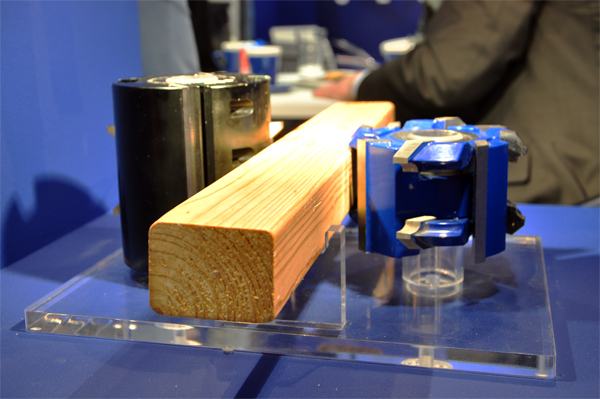
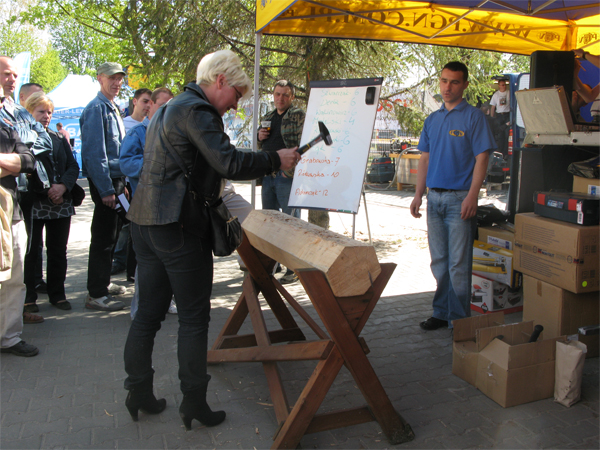
HM saw blades for cutting firewood using cross-cut saws
2011-12-15A series of sintered carbide saw blades used in the process of cutting firewood using cross-cut saws /swing saws.
Features of saw blades in this series include:
- firmly set, large and straight sintered carbide
- feed limiter allowing for optimum saw handling while cutting larger diameter timber
- use of laser cuts in the disk, which discharge the increased temperature of the medium during the cutting process.
See the available types and dimensions!
New Milling Heads
2011-11-30The new series of milling heads with cutters feature interchangeable tools placed at an angle to the axis of the blade, which allows for:
- obtaining a very good quality of the cut surface
- better chip discharge
- smoother operation of the tool
See the available types and dimensions!






SET2 – a new series of saw blades for circular saws
2011-08-31A new series of circular saws with HM Series blades SET2 is a continuation of the SET product line which was introduced a few years ago. It complements GLOBUS brand tools already offered in this segment and is designed for performing minor repair work at home, in the garden or on a farm.
The shape of the tooth, alternately applied inclined sintered carbide (GS) blade geometry and the corresponding number of teeth allows for the cutting of wood both along and against the grain.
.
 |
| |



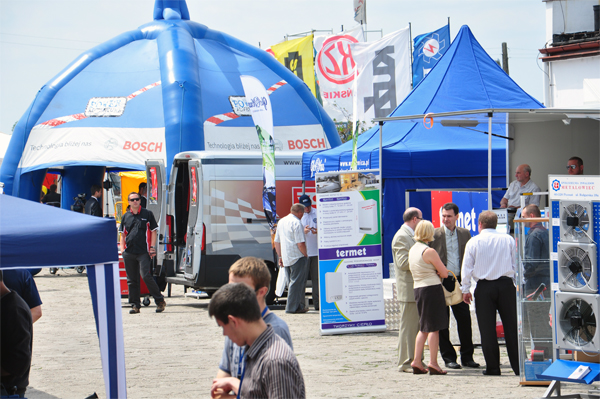
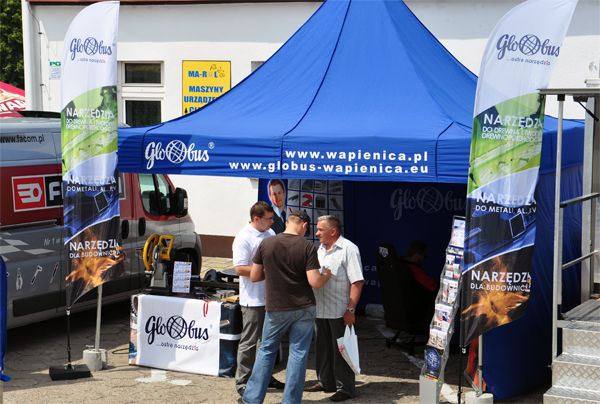
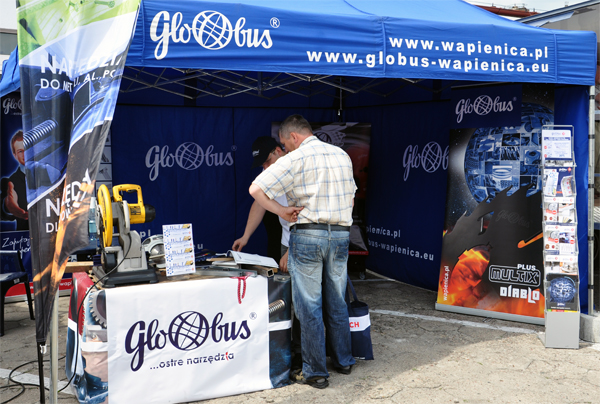

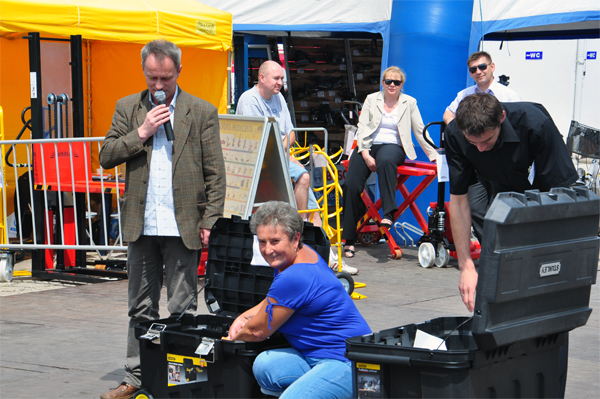
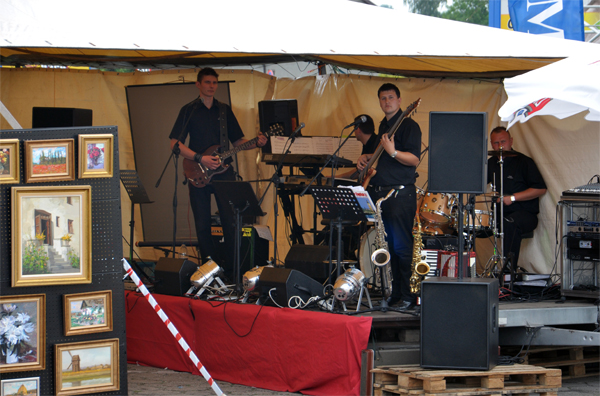
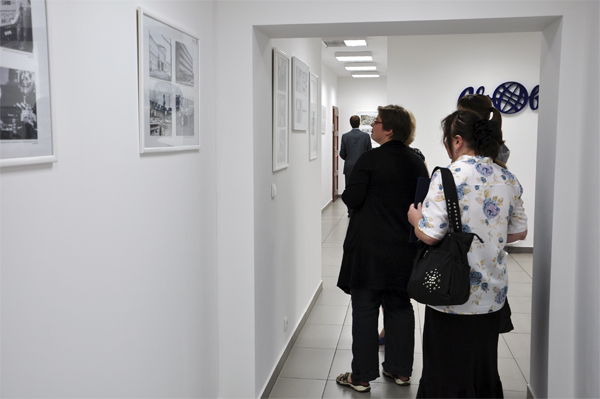
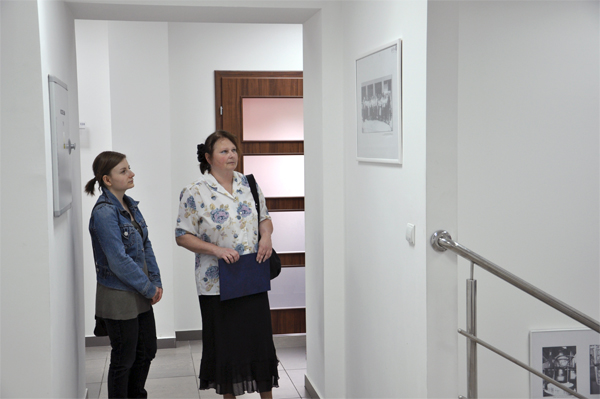
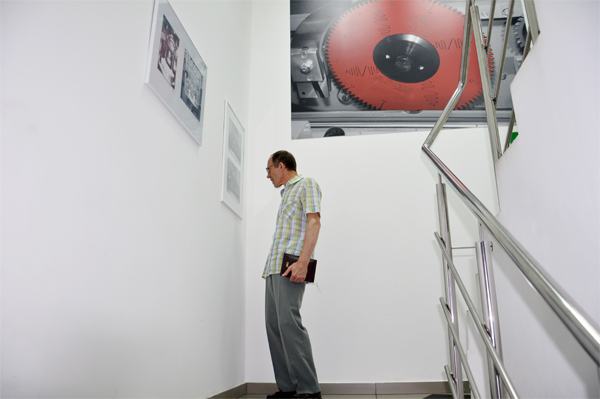
Opening of the exhibition entitled: 90 years of the GLOBUS brand
2011-06-09On 7 June, an exhibition on the history of our company opened, entitled:
90 years of the GLOBUS brand on the tool market in Poland
and abroad.
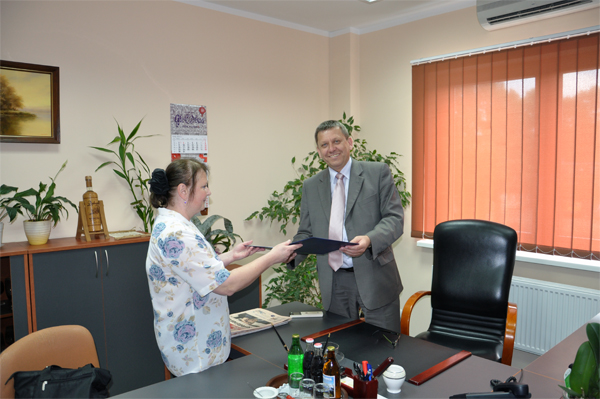
The exhibition was opened by Jerzy Miciek, CEO of GLOBUS, along with
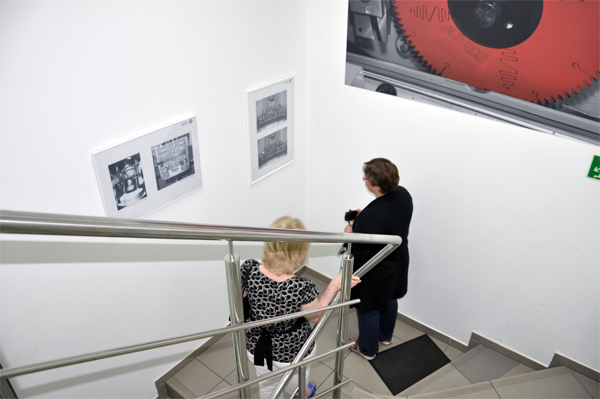
a representative of the National Archives in Katowice. The exhibition features unique never-before presented materials. They include documents and photographs describing the company’s activity over the past 90 years.
The exhibition also includes a series of photographs depicting the history
of people who have had an impact on the company's development and presents the machinery and equipment used during manufacturing processes.
The exhibition was organized in cooperation with the National Archives in Katowice, Bielsko-Biała Department. The authors would like to thank everyone who has contributed to the successful implementation of this project.
Please visit the exhibition at our company’s offices and on the web!
 |
 |
 |
 |
 |
 |
New generations of blades for the FURNITURE INDUSTRY
2011-06-01Today, we are happy to introduce the new generation of circular saw blades with sintered carbide for cutting wood-based materials, included in the series: The new series start with the most popular blades with a diameter of 300 mm for cutting wood-based materials.
The blades feature an enhanced disc design and optimised geometry of the teeth. In addition, discs are equipped with slots to compensate for the effects of temperature and innovative cuts in the disc, which lower the noise level. Special grades of sintered carbide were precisely selected for specific applications during a series of tests.
Download a leaflet in pdf format